Lithium & Parkinson's
Join us as we explore how such a wonderful little mineral got such a bad reputation!
By the end of this course, you’ll be able to teach others the difference between pharmacological and physiologically doses, why the human body needs it, where you’re supposed to get it, and what happens when you don’t get enough. We’ll discuss how to measure Li levels and strategies for supplementation.
On the 28th of every month, Dr. Mischley selects a topic relevant to the community and does a in-depth review.
Following her lecture, attendees have an opportunity to contribute their own experiences and ask questions.
These courses are information dense!
Lecture slides, references, and session recordings are made available for those who want to rewind or take breaks.
Our body & Lithium
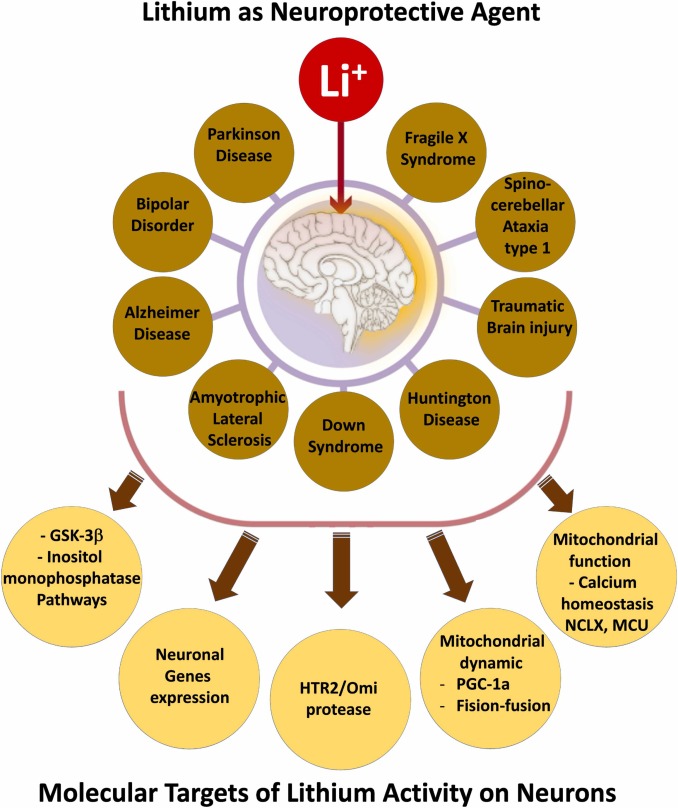
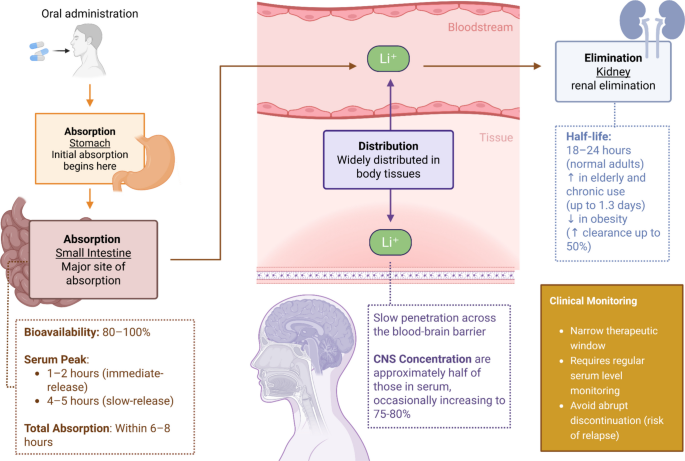
Lithium is a naturally occurring mineral found in soil, water, and certain foods. This course will explore what lithium may do in the body, where we are meant to get it, and why low intake or deficiency may matter when thinking about nervous system health, resilience, and long-term function.
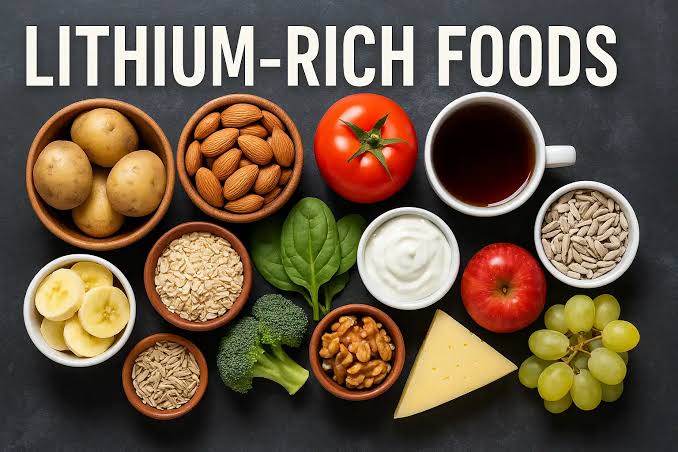
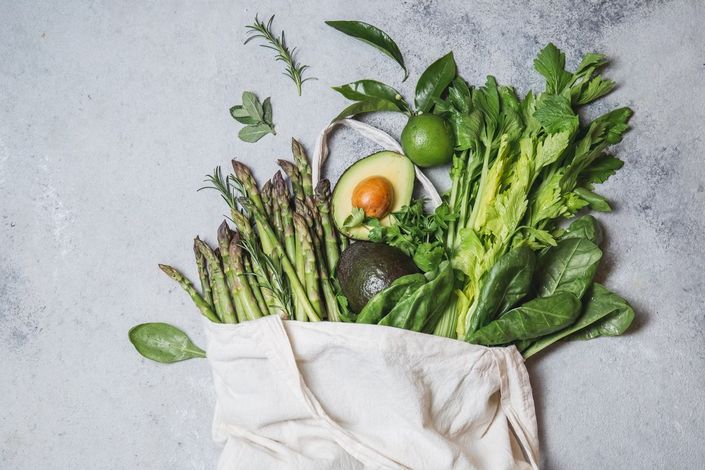
Lithium-Rich Foods
Lithium is a naturally occurring trace mineral found in soil, water, and small amounts in certain foods. In this course, we’ll explore how mineral-rich water, plants, grains, and other dietary sources may contribute to physiologic lithium intake, and why the environment your food comes from can influence the minerals your body receives.
Supplements
Lithium supplementation is not one-size-fits-all, especially because physiologic support is very different from prescription lithium therapy. This course will discuss how low-dose lithium supplementation may be considered, what forms are commonly used, and why testing, dosing, and clinical guidance matter when deciding whether supplementation is appropriate.
Curriculum
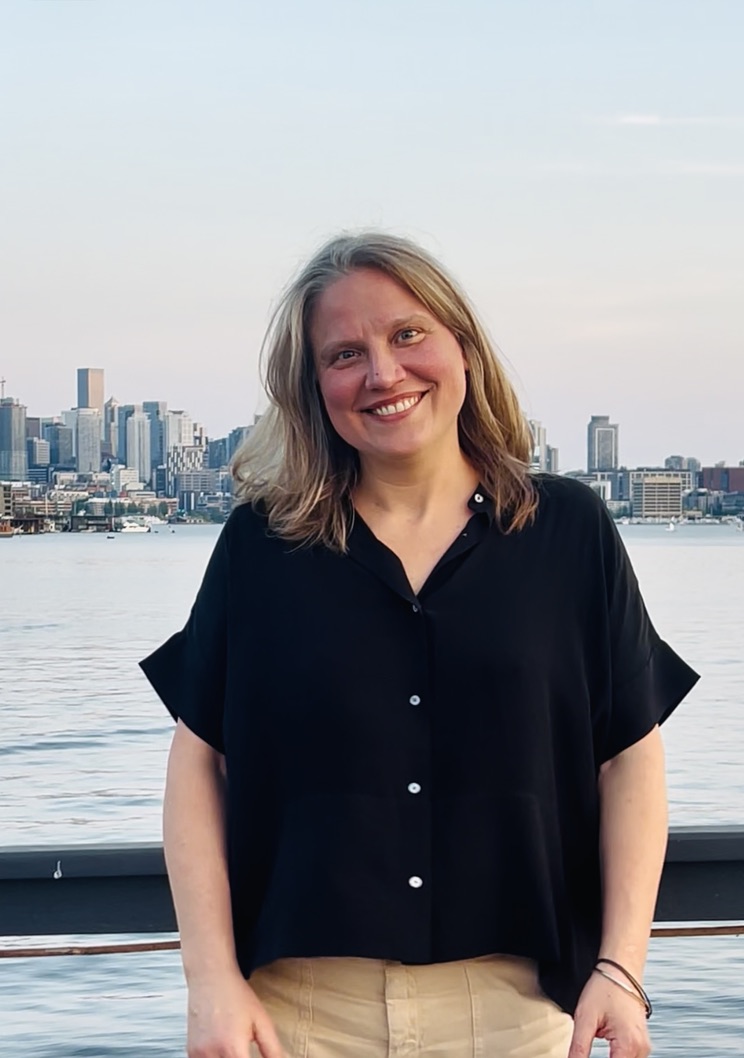
Dr. Laurie Mischley
Laurie Mischley, ND PhD MPH studied naturopathic medicine (ND) at Bastyr University and epidemiology (MPH) and nutritional sciences (PhD) at the University of Washington and she maintains appointments at both Universities.
Her work is focused on identifying the nutritional requirements unique to individuals with Parkinson’s Disease (PD) and has published on coenzyme Q10, lithium, NAD+, and glutathione deficiency (www.lauriemischley.com). She is Principal Investigator of the Modifiable Variables in Parkinsonism (MVP) Study (MVP-study.com), which is attempting to describe why some people with PD progress slower than others. She is working on ways to study, package and deliver evidence-based lifestyle modification as a therapeutic strategy. She founded the Parkinson Center for Pragmatic Research (www.parkinson-cpr.com) and the canine scent-based PD screening tool, ParK-9 (www.Park-9.com), developed a patient-reported outcome measure to assess PD severity (www.PD-symptoms.com), built the Parkinson Symptom Tracking (PRO-PD) App, and is instructor of the online series, Parkinson School (www.Parkinson-School.com). Dr. Mischley maintains a small clinical practice at Seattle Integrative Medicine focused on nutrition and neurological health of patients with Parkinsonism.
2026 Seminar Series
Explore other courses taught this year!